Latest Post
Off-Grid vs. On-Grid Solar Systems Which is Better
- February 23, 2025
- Solar
Government Incentives for Solar Power Adoption Today
- February 23, 2025
- Energy
The Role of AI in Advancing Renewable Energy Tech
- February 23, 2025
- Renewable
Ready to Switch to Solar?
Take the first step towards a greener tomorrow. Contact us today for a free consultation and discover how DIY Solar, Inc. can transform your energy needs!
Get a Free Quote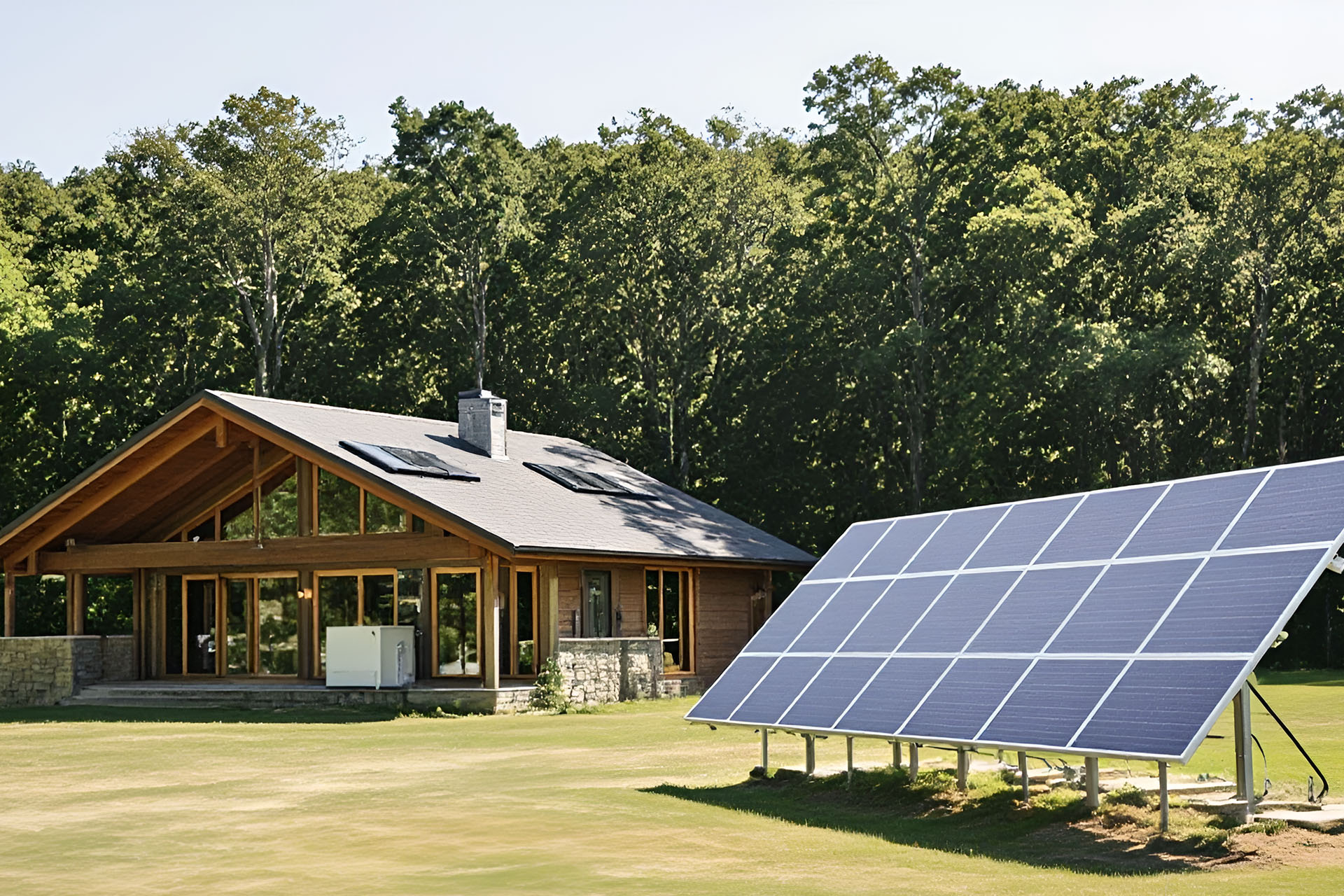
Off-Grid vs. On-Grid Solar Systems: Which Is Better?
As solar energy continues to grow in popularity, homeowners are increasingly faced with an important decision: Should you install an on-grid solar system or an off-grid solar system? Both options can significantly reduce your electric bills and your dependence on utility companies, but they operate very differently and serve different purposes. Understanding the advantages and disadvantages of each system can help you make the best choice for your home, lifestyle, and long-term energy goals.
What Is an On-Grid Solar System?
An on-grid (grid-tied) solar system is connected directly to your local utility company's electrical grid. During the day, your solar panels generate electricity that powers your home. Any excess power is sent back to the utility grid, often earning credits through a program known as net metering. When your solar panels are not producing enough energy—such as at night or during cloudy weather—your home automatically draws electricity from the utility company.Advantages of On-Grid Solar
- No battery bank required
- Simpler system design
- Lower maintenance requirements
- Ability to earn utility credits through net metering
- Higher overall efficiency due to fewer energy conversion losses
Disdvantages of On-Grid Solar
- No power during utility outages in most systems
- Continued dependence on the utility company
- Subject to changing utility rates and regulations
- Net metering programs may be reduced or eliminated in the future
- Limited energy independence
Many homeowners are surprised to learn that a standard grid-tied solar system usually shuts down during a power outage. This safety feature prevents electricity from being fed back into utility lines while crews are performing repairs. As a result, even homes with large solar arrays may be left without power during a blackout.
What Is an Off-Grid Solar System?
An off-grid solar system operates completely independent of the utility grid. Instead of sending excess energy to a power company, electricity is stored in a battery bank for use at night and during periods of low solar production.A properly designed off-grid system typically includes:
- Solar panels
- Charge controllers
- Battery storage
- An inverter
- Backup power provisions when necessary
- Complete energy independence
- No monthly electric bills
- Reliable power during grid outages
- Ideal for remote locations where utility service is unavailable
- Greater control over your energy future
- 6,000 to 8,000+ charge cycles
- Minimal maintenance
- Longer service life
- Air conditioners
- Water pumps
- Refrigerators
- Air compressors
- Power tools
- Higher surge capacity
- Longer service life
- Better performance with inductive loads
- Improved fault tolerance
- Enhanced protection through galvanic isolation
- Proven reliability in demanding off-grid environments
- Solar panels
- Grid-tie inverter
- Utility interconnection equipment
- Lower upfront investment
- Faster payback period
- Minimal maintenance
- Solar panels
- Charge controllers
- Battery bank Off-grid inverter
- Backup power provisions
- Energy independence
- Blackout protection
- Long-term utility savings Greater control over energy costs
- Your area has reliable utility power.
- You want the lowest upfront cost.
- You plan to use net metering.
- You are primarily interested in reducing electric bills.
- You do not require backup power during outages.
- You live in a remote area without utility access.
- You want complete energy independence.
- You are concerned about power outages.
- You want to eliminate or drastically reduce utility bills.
- You are willing to invest in battery storage for long-term reliability.
Off-grid systems give homeowners complete control over their power production and consumption.
Advantages of Off-Grid Solar
For many homeowners, the greatest benefit of off-grid solar is peace of mind. Whether the outage lasts a few hours or several days, a properly designed off-grid system continues operating when utility power fails.
The Importance of Battery Storage
Battery technology has advanced dramatically over the past decade. Modern Lithium Iron Phosphate (LiFePO4) batteries offer exceptional longevity, safety, and performance compared to older lead-acid battery technologies.
High-quality lithium batteries can provide:
As battery prices continue to decline, off-grid solar is becoming increasingly affordable and practical for homeowners seeking energy independence.
Choosing the Right Inverter
Regardless of whether you choose an on-grid or off-grid system, inverter selection plays a critical role in overall system performance.
Many low-cost solar systems utilize lightweight high-frequency inverter technology. While these units may offer lower upfront costs, they often provide limited surge capacity and may struggle with demanding loads such as:
For homeowners seeking maximum reliability and long-term durability, low-frequency transformer-based inverters remain the gold standard.
Benefits of low-frequency inverter technology include:
When your home's critical systems depend on reliable power, choosing a robust inverter can make all the difference.
Cost comparison
On-Grid Solar
Typical Components:
Pros
Off-Grid Solar
Typical Components:
Pros
While off-grid systems typically require a larger initial investment due to battery storage, many homeowners view that investment as insurance against rising utility rates, power outages, and increasing dependence on the electric grid.
Which Solar System Is Right for You?
Choose On-Grid Solar If:
Choose Off-Grid Solar If:
Final thoughts?
Both On-Grid and Off-Grid solar systems have their advantages, and the best choice depends on your energy needs, location, and long-term goals.
If your primary objective is minimizing upfront costs while reducing your electric bill, an on-grid system may be the right solution.
However, if your goal is true energy independence, protection from outages, freedom from utility companies, and complete control over your power supply, an off-grid solar system offers benefits that grid-tied systems simply cannot match.
At DIY Solar, we believe that reliable power should remain available when you need it most. Whether you're powering a remote cabin, a homestead, a farm, or an entire home, investing in a properly designed off-grid solar system can provide decades of dependable, independent energy.
.